How Much Does Exterior House Painting Cost in 2026: The Complete Homeowner’s Guide
Reading time: 14 minutes
You’ve been staring at those peeling, faded walls for two summers now. You know it’s time. But the moment you start Googling “exterior house painting cost,” you’re hit with a blizzard of wildly different numbers, vague estimates, and contractor websites that tell you absolutely nothing useful. Sound familiar?
Here’s the straight talk: exterior painting costs in 2026 have shifted significantly from just a few years ago. Labor markets have tightened, material prices have evolved following supply chain normalization, and homeowners are navigating a market where quotes can vary by $3,000 to $8,000 for the exact same home. Knowing the real numbers — and the reasons behind them — can save you serious money and a serious headache.
This guide cuts through the noise. Whether you’re planning a DIY weekend project or hiring a full professional crew, we’ll walk you through every cost factor, red flag, and money-saving strategy so you can make a confident, informed decision.
Table of Contents
- National Average Costs in 2026
- Key Factors That Drive Your Final Price
- Cost Breakdown by House Size
- DIY vs. Professional: The Real Comparison
- Real Homeowner Scenarios
- How to Save Money Without Cutting Corners
- Hiring a Contractor: What to Look For
- Frequently Asked Questions
- Your Action Plan: Painting with Confidence
National Average Costs in 2026
Let’s start with the numbers you actually came here for. In 2026, the national average cost to paint a home’s exterior sits between $3,200 and $9,500 for a professionally completed job. The wide range isn’t a dodge — it’s a reflection of genuine variability based on home size, regional labor rates, surface condition, and paint quality.
Here’s what the typical homeowner actually pays when broken down by project scope:
- Small home (under 1,500 sq ft): $2,400 – $4,500
- Medium home (1,500 – 2,500 sq ft): $4,500 – $7,000
- Large home (2,500 – 4,000 sq ft): $7,000 – $12,000
- Luxury or complex home (4,000+ sq ft): $12,000 – $22,000+
Per square foot of paintable surface area, most professional contractors in 2026 charge between $1.80 and $4.50, with the national midpoint landing around $2.75 per square foot. Labor typically accounts for 75–85% of the total project cost, which is exactly why location and contractor experience matter so much.
Pro Tip: When comparing quotes, always ask contractors to break down labor and materials separately. A suspiciously low total quote often means skimped prep work — which is where most paint jobs fail within two to three years.
Regional Price Variations Across the U.S.
Geography plays a dramatic role in what you’ll pay. A 2,000-square-foot colonial in rural Alabama and an identical home in San Francisco will see drastically different quotes — sometimes a $6,000 difference — for the same scope of work.
Here’s a snapshot of regional average costs (per square foot, professional labor included) in 2026:
- Northeast (NY, MA, CT): $3.20 – $4.80/sq ft
- West Coast (CA, OR, WA): $3.00 – $4.50/sq ft
- Midwest (OH, IL, MN): $1.90 – $3.00/sq ft
- South (TX, FL, GA): $1.80 – $2.80/sq ft
- Mountain West (CO, AZ, UT): $2.20 – $3.40/sq ft
The Northeast and West Coast consistently run highest due to elevated minimum wages, higher cost of living for crews, and stricter VOC (volatile organic compound) paint regulations that sometimes mandate pricier low-emission products.
Key Factors That Drive Your Final Price
Understanding what contractors are actually pricing helps you evaluate quotes intelligently and negotiate from a position of knowledge. There’s no single formula — every home is a puzzle with its own complexity.
Surface Preparation: The Hidden Cost Driver
Here’s something most homeowners don’t realize until they get their first quote: surface preparation can account for 30–40% of the total project cost. And rightfully so. Skipping or rushing prep is the number one reason exterior paint jobs fail prematurely.
Preparation work typically includes:
- Pressure washing: $150 – $400 for most homes
- Scraping old peeling paint: $0.50 – $1.50 per square foot of affected area
- Caulking gaps and cracks: $100 – $350 depending on severity
- Priming bare wood or stucco: $200 – $600 for average homes
- Minor wood rot repair: $100 – $800 per section (can escalate significantly)
- Lead paint testing and remediation: $300 – $1,500+ for older homes
If your home was built before 1978, lead paint is a serious consideration. Federal law requires contractors to follow EPA’s Renovation, Repair and Painting (RRP) Rule, and certified lead-safe work practices add cost — but they’re non-negotiable for your family’s safety.
Paint Quality and Coverage Requirements
The paint itself usually represents just 15–25% of the total project cost, but choosing the right product dramatically affects longevity. In 2026, the premium exterior paint market has consolidated around a few standout categories:
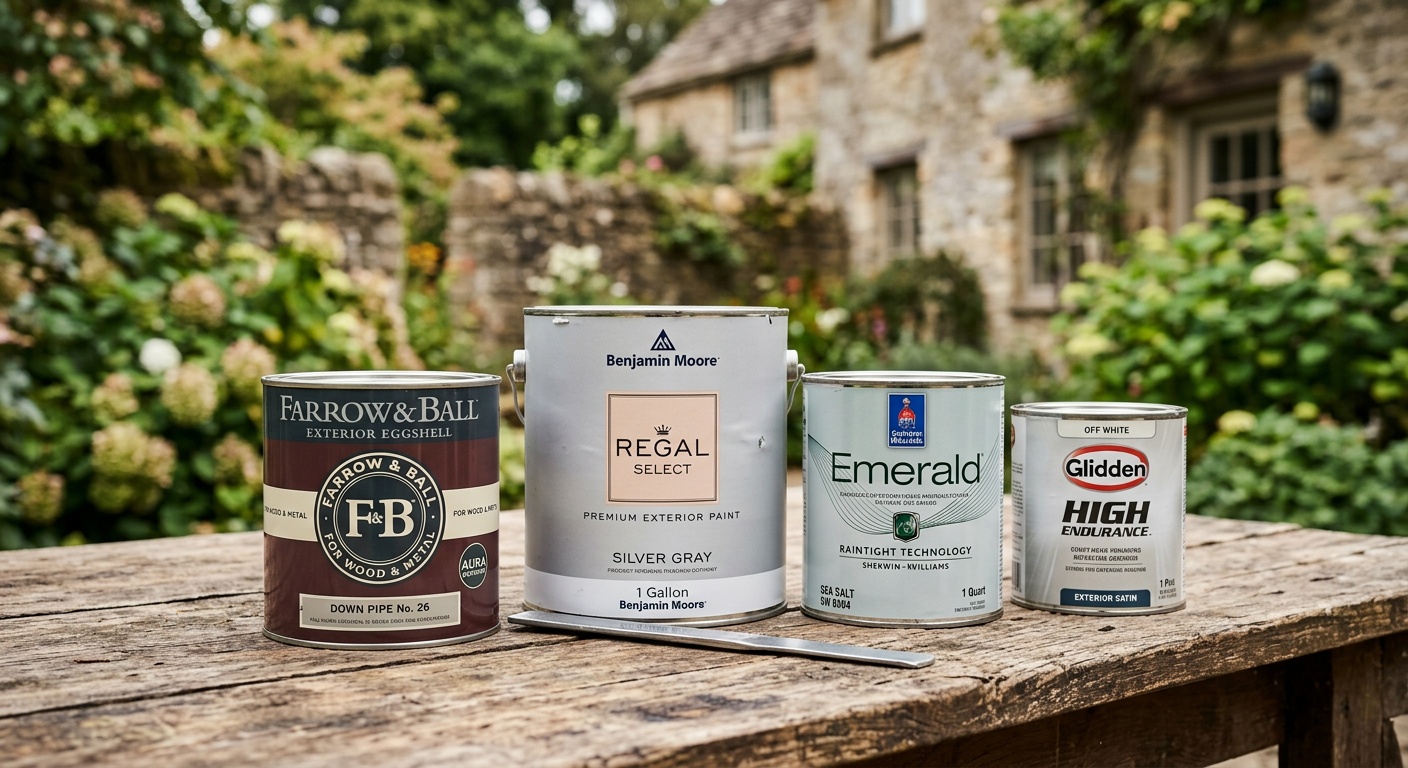
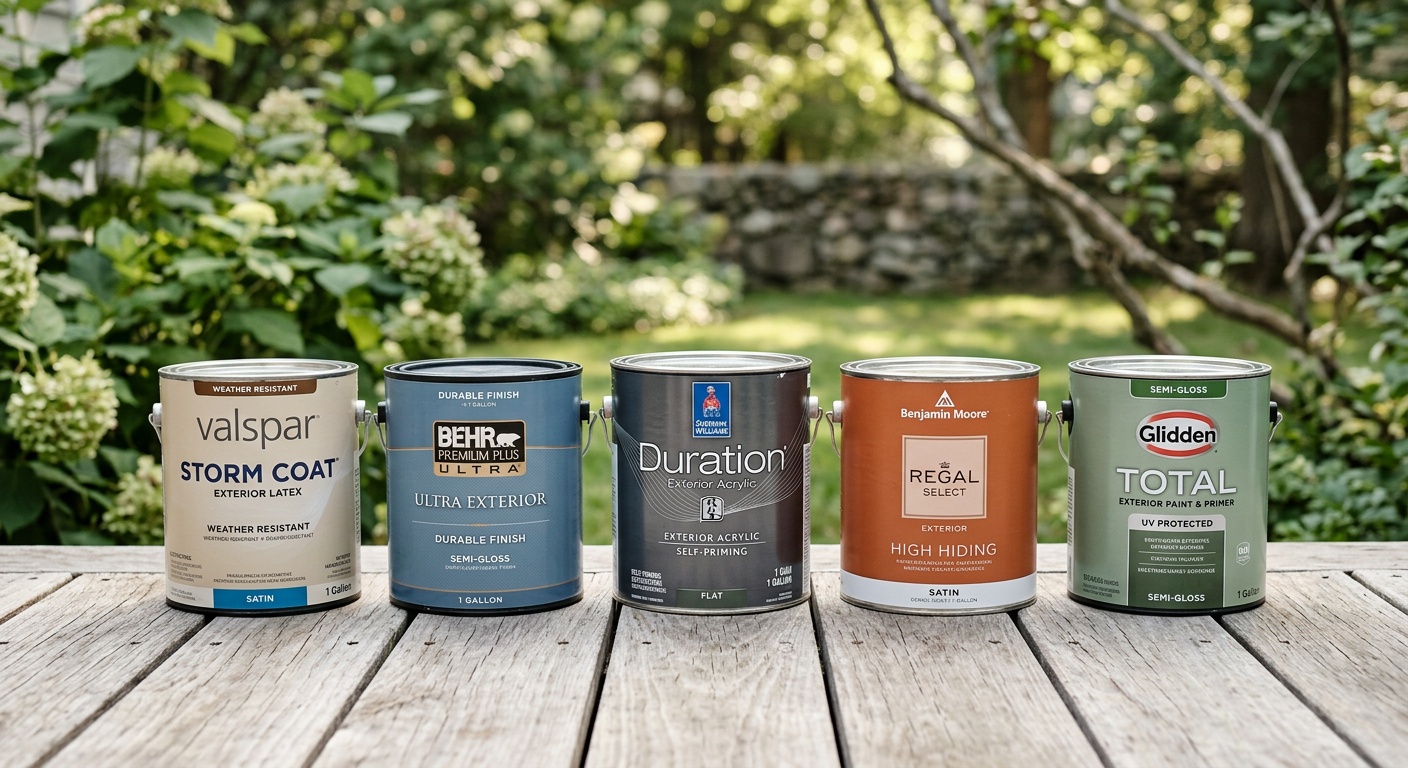
- Economy paints (Behr, Glidden standard lines): $35 – $55/gallon — adequate for smooth, well-maintained surfaces; 5–7 year lifespan
- Mid-grade paints (Sherwin-Williams SuperPaint, Benjamin Moore Regal): $65 – $90/gallon — excellent durability, 8–12 year lifespan
- Premium paints (SW Emerald, BM Aura, PPG Diamond): $90 – $120/gallon — superior adhesion, fade resistance, 12–18 year lifespan
A typical 2,000 sq ft home requires 15–25 gallons of paint depending on surface texture and number of coats. Rough textures like stucco, brick, or old wood can easily consume 30–40% more product than smooth siding.
Architectural Complexity and Accessibility
Not all exteriors are created equal. A flat ranch-style home is a straightforward project. A three-story Victorian with ornate trim, wraparound porches, dormers, and multiple paint colors is an entirely different beast.
Complexity factors that increase cost:
- Each additional story typically adds $800 – $2,500 to the project
- Extensive trim work and architectural detailing: $500 – $3,000+
- Shutters, doors, and garage doors: $50 – $200 per element
- Hard-to-reach areas requiring specialized equipment: $200 – $800
- Multiple color schemes: $300 – $1,500 additional
Comprehensive Cost Breakdown by House Size
| Home Size | Paintable Sq Ft | DIY Cost | Pro Cost (Budget) | Pro Cost (Premium) |
|---|---|---|---|---|
| Small (under 1,500 sq ft) | 800–1,200 sq ft | $600 – $1,100 | $2,400 – $3,500 | $3,500 – $5,000 |
| Medium (1,500–2,500 sq ft) | 1,200–2,000 sq ft | $900 – $1,800 | $4,500 – $6,000 | $6,000 – $8,500 |
| Large (2,500–4,000 sq ft) | 2,000–3,200 sq ft | $1,400 – $2,800 | $7,000 – $9,500 | $9,500 – $14,000 |
| XL / Luxury (4,000+ sq ft) | 3,200+ sq ft | $2,500 – $5,000 | $12,000 – $16,000 | $16,000 – $22,000+ |
| Historic / Complex Design | Variable | Not recommended | $10,000 – $18,000 | $18,000 – $35,000+ |
Note: Paintable square footage refers to the actual wall surface area, not the home’s interior square footage. Always clarify this distinction with contractors.
DIY vs. Professional: The Real Comparison
The DIY vs. professional debate isn’t as straightforward as it seems. Yes, you can save $3,000 to $8,000 by doing it yourself. But the real question isn’t “how much can I save?” — it’s “is this the right trade-off for my situation?”
The True Cost of Going DIY
When homeowners calculate DIY savings, they often forget several real costs:
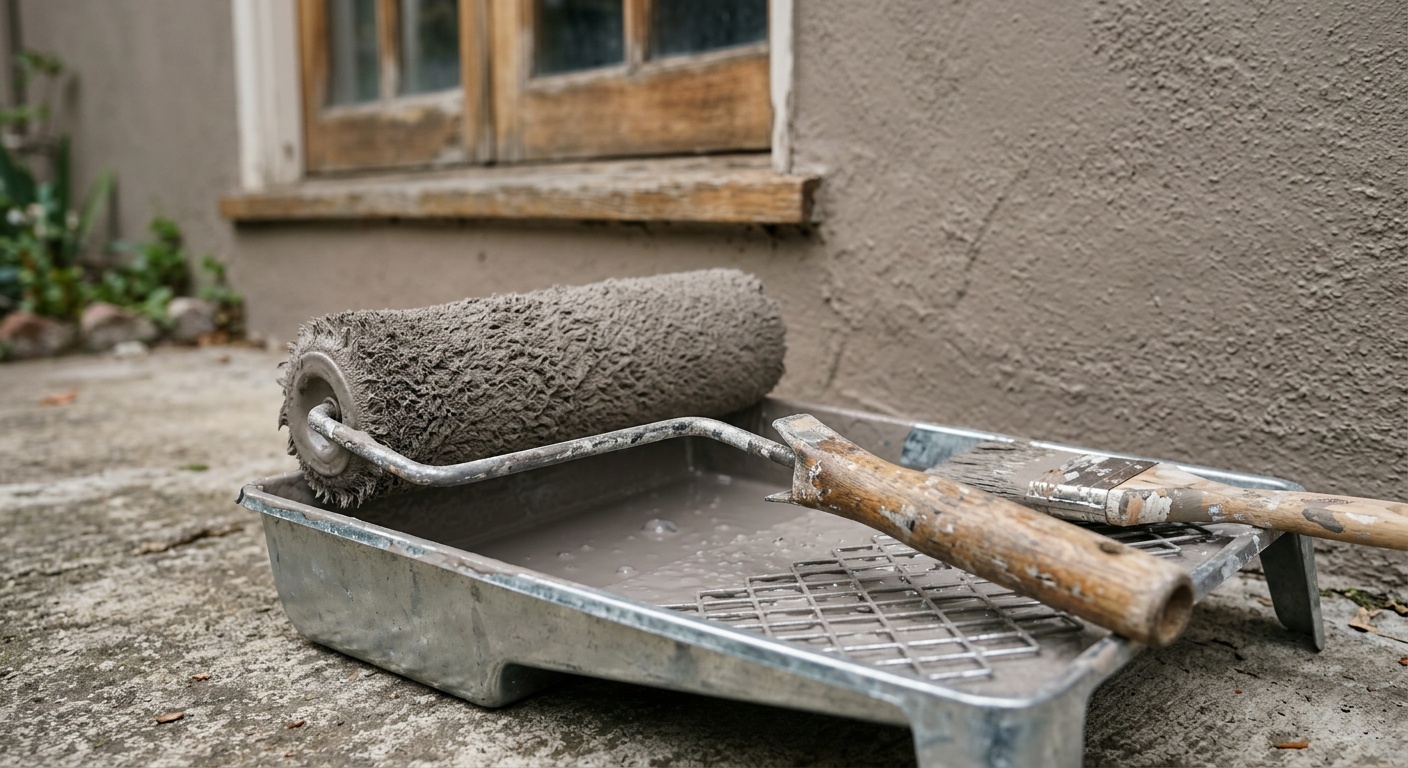
- Equipment rental: Pressure washer ($80–$150/day), scaffolding ($200–$600/week), airless sprayer ($60–$120/day)
- Supplies: Brushes, rollers, tarps, tape, caulk, primer, paint ($800–$1,800 total)
- Time investment: A 2,000 sq ft home typically requires 3–6 full weekends for an inexperienced painter
- Risk of mistakes: Uneven coverage, missed prep, and improper application can result in a paint job that fails in 2–3 years rather than 10+
- Physical demands: Working at heights, in heat, with repetitive motions — this is genuinely hard work
Bottom line on DIY: If you’re physically capable, have time, own a smaller single-story home, and enjoy hands-on projects, DIY can absolutely make sense. If your home is multi-story, in poor condition, or requires extensive prep, the professional investment typically delivers better value over time.
Real Homeowner Scenarios: What People Actually Paid
Numbers on a page only tell part of the story. Let’s look at three real-world scenarios that illustrate how these variables play out in practice.
Scenario 1: The Ranch House Refresh in Nashville, Tennessee
Marcus and Diana own a 1,650 sq ft single-story ranch built in 1998. The original paint was 11 years old, chalking and fading but structurally sound with no rot. They received three quotes ranging from $4,200 to $5,800. They chose a mid-tier local contractor at $4,900, which included pressure washing, caulking, one coat of primer on spot areas, and two coats of Sherwin-Williams SuperPaint in two colors (body and trim). The job took four days. They were thrilled with the result and the contractor’s five-year workmanship warranty.
Takeaway: In mid-size Southern cities with competitive contractor markets, well-maintained medium homes often land in the $4,500–$5,500 range — close to the national average.
Scenario 2: The Victorian Nightmare in Portland, Oregon
Sandra’s 1908 Victorian at 2,800 sq ft looked gorgeous — but hadn’t been properly painted in 14 years. Initial quotes came in between $14,000 and $22,000. The eventual project totaled $18,500, which included lead paint testing ($280), certified lead-safe removal procedures, extensive wood rot repairs on three window sills ($1,200), five paint colors for the Victorian color scheme, and premium Benjamin Moore paint throughout. The project took three weeks with a four-person crew.
Takeaway: Older homes with architectural complexity and deferred maintenance can easily double the baseline cost. Always budget a 20–30% contingency for historic properties.
Scenario 3: The Smart DIY in Suburban Ohio
Kevin, a 42-year-old with moderate handyman experience, tackled his 1,400 sq ft ranch himself over three weekends in May 2026. Total material costs came to $1,140 (two gallons of premium primer, 14 gallons of Behr Marquee, caulk, tape, and supplies). He rented a pressure washer for $95 and borrowed a sprayer from a neighbor. Total investment: $1,235 — saving approximately $2,800 compared to the lowest professional quote he received. His finished result was solid if not flawless, and he planned to touch up trim the following spring.
Takeaway: DIY absolutely works for motivated, physically capable homeowners with straightforward single-story homes. The savings are real — but so is the time commitment.
How to Save Money Without Cutting Corners
There’s a significant difference between smart cost management and false economy. These strategies help you stretch your budget intelligently:
- Time your project strategically. Late September through early November and March through April are typically slower seasons for painters. You may negotiate 10–20% discounts by booking during off-peak periods.
- Get at least three competitive quotes. The spread between highest and lowest quote for identical work can be $3,000 or more. Three quotes give you a legitimate market baseline.
- Do your own prep work. If you’re comfortable with a pressure washer and scraper, handling prep yourself can reduce contractor labor by $400–$900 on average. Confirm your contractor is comfortable with this arrangement upfront.
- Invest in paint quality, not quantity. A premium paint in one coat often outperforms a budget paint in two coats — and uses similar total product. The cost difference is minimal; the longevity difference is significant.
- Combine projects strategically. If you need deck staining, fence painting, or garage floor coating, bundling jobs with one contractor often yields 10–15% combined savings on labor.
- Supply your own paint. Some contractors charge a markup of 15–25% on materials. Purchasing your own approved paint (after confirming the product with your contractor) can reduce material costs.
- Check for local rebates. In 2026, several municipalities and utility programs offer rebates for low-VOC or reflective “cool roof” exterior coatings that reduce energy consumption. Check your local government and utility company websites.
Hiring a Contractor: What to Look For in 2026
The painting industry has relatively low barriers to entry, which means contractor quality varies enormously. Here’s how to separate the professionals from the problems:
Essential Contractor Vetting Checklist
- ✅ Licensed and insured: Verify general liability insurance (minimum $1M coverage) and workers’ compensation. Request certificates directly from their insurer — don’t just accept verbal assurance.
- ✅ Written, itemized contract: Your contract should specify scope of work, paint products and colors, number of coats, prep procedures, payment schedule, timeline, and warranty terms.
- ✅ References from similar projects: Ask for 2–3 references from homes similar to yours, painted within the past 18 months. Actually call them.
- ✅ Clear payment terms: A reputable contractor typically requires 10–30% upfront, with the remainder due upon satisfactory completion. Be cautious of anyone demanding more than 50% upfront.
- ✅ Warranty clarity: Understand what the warranty covers — workmanship vs. material vs. both. A 3–5 year workmanship warranty from an established contractor is standard in 2026.
- ✅ EPA RRP Certification: For homes built before 1978, confirm your contractor holds current EPA Renovation, Repair and Painting certification.
Red Flags That Signal Walk Away
- Dramatically low quote with no explanation
- Cash-only payment requirements
- Pressure to decide immediately or “lose the deal”
- No physical address or verifiable business history
- Reluctance to provide written contract
- Quote provided without actually inspecting the home in person
Cost-to-Value Data Visualization: Paint Quality vs. Longevity ROI
Average Years of Exterior Paint Life by Product Tier
Lifespan estimates assume professional application and adequate surface preparation.
Frequently Asked Questions
How long does an exterior paint job take to complete?
For most average-sized homes (1,500–2,500 sq ft), a professional crew of 2–4 painters typically completes the job in 3–6 business days depending on weather, prep requirements, and complexity. Larger or historically detailed homes may take 2–4 weeks. DIY projects on similar homes generally span 3–6 weekends of work. Weather is the biggest variable — exterior painting requires dry conditions and temperatures between 50°F and 90°F for proper adhesion and curing.
How do I know when my exterior paint actually needs replacing versus just cleaning?
Several signs indicate it’s time to repaint rather than simply wash: chalking (a chalky powder that rubs off on your hand), peeling or flaking in multiple areas, visible fading or color inconsistency, cracking or alligatoring (a reptile-scale pattern), or wood that looks gray and weathered beneath the paint. A thorough power washing can restore mildew-stained or dirty surfaces that are otherwise sound — but structural paint failure needs a fresh coat, not a cleaning. Most quality exterior paint jobs last 7–15 years depending on climate, surface type, and paint quality.
Should I tell contractors what budget I have, or keep that private?
This is one of the most debated questions in home improvement, and the honest answer is: share a general range, not a specific number. Saying “we’re hoping to stay under $8,000” helps contractors tailor proposals and avoid wasting your time with scopes far outside your range. However, sharing your exact maximum budget can anchor quotes at your ceiling rather than at fair market value. Ask contractors to provide their best proposal for the work needed, then use budget conversations to explore options if the initial scope exceeds your range.
Your Paint Project Action Plan: From Estimate to Finish
You now have the framework to approach your exterior painting project with clarity and confidence. As paint technology continues advancing — with self-cleaning nano-coatings and AI-assisted color matching tools emerging in 2026 — the fundamentals of smart project planning remain unchanged: preparation, quality materials, and skilled execution are always where value lives.
Here’s your focused action plan to move from research mode to results:
- Assess your home’s current condition this week. Walk the perimeter and photograph any peeling, cracking, rot, or caulking failures. This inventory shapes every quote you receive and helps you spot contractors who miss obvious issues.
- Determine your approach (DIY or pro) based on honest self-assessment. Single-story, good condition, motivated? DIY is viable. Multi-story, aging home, complex trim, or limited time? Invest in professional work — the math almost always works out in your favor over a 10-year horizon.
- Get three quotes within two weeks. Use the vetting checklist above. Ask each contractor to walk you through their prep process specifically — this single conversation reveals more about quality than any review site.
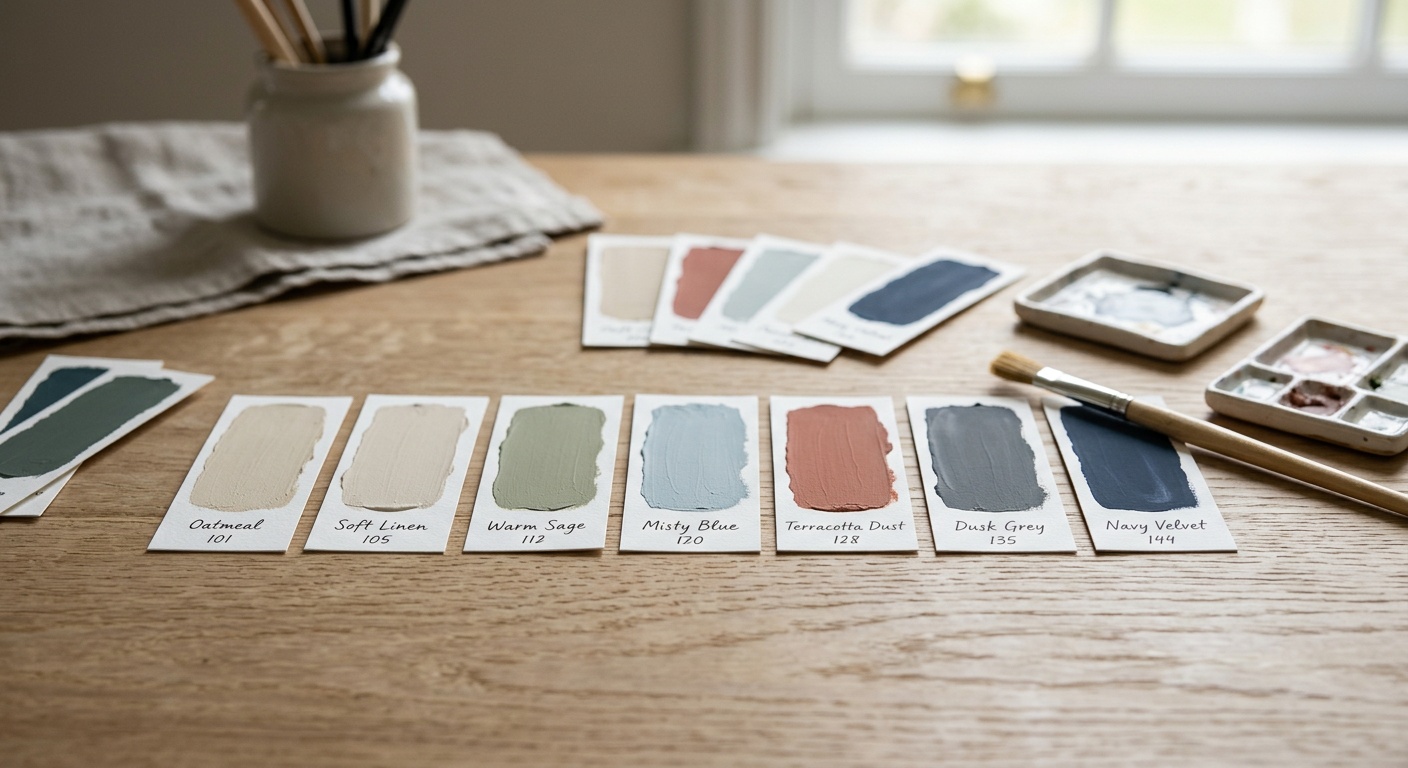
- Select your paint before finalizing the contract. Visit a paint store (not just a home improvement big box), speak with a color consultant, and get large sample swatches on your actual exterior before committing to color.
- Book your project for the optimal season. For most of the U.S., May–June or September–October offer the best painting conditions — mild temperatures, lower humidity, and (in fall) often contractor availability at better rates.
Key takeaways to carry forward:
- Prep work is not optional — it’s where job longevity is won or lost
- The cheapest quote rarely delivers the best value over time
- Premium paint costs $20–$30 more per gallon and can add 5–8 years to your job’s lifespan
- Regional labor markets create enormous price variability — local research beats national averages
- A written, itemized contract protects you more than any verbal promise
Your home’s exterior is literally its first impression — to neighbors, guests, and future buyers. A well-executed paint job doesn’t just protect your siding; in 2026’s real estate market, fresh exterior paint continues to deliver some of the highest ROI of any home improvement project, with studies showing 51–152% cost recoupment at resale.
So here’s the question worth sitting with: what’s the cost of waiting another year? Between ongoing weather damage, decreasing curb appeal, and potentially escalating contractor rates, delay often costs more than action. What would your home look like — and be worth — with a fresh, expertly applied coat?